2,000+ customers already part of ScrapMafia.

Carhartt Active Jacket: The Workwear Icon That Streetwear Never Let Go

Introduction
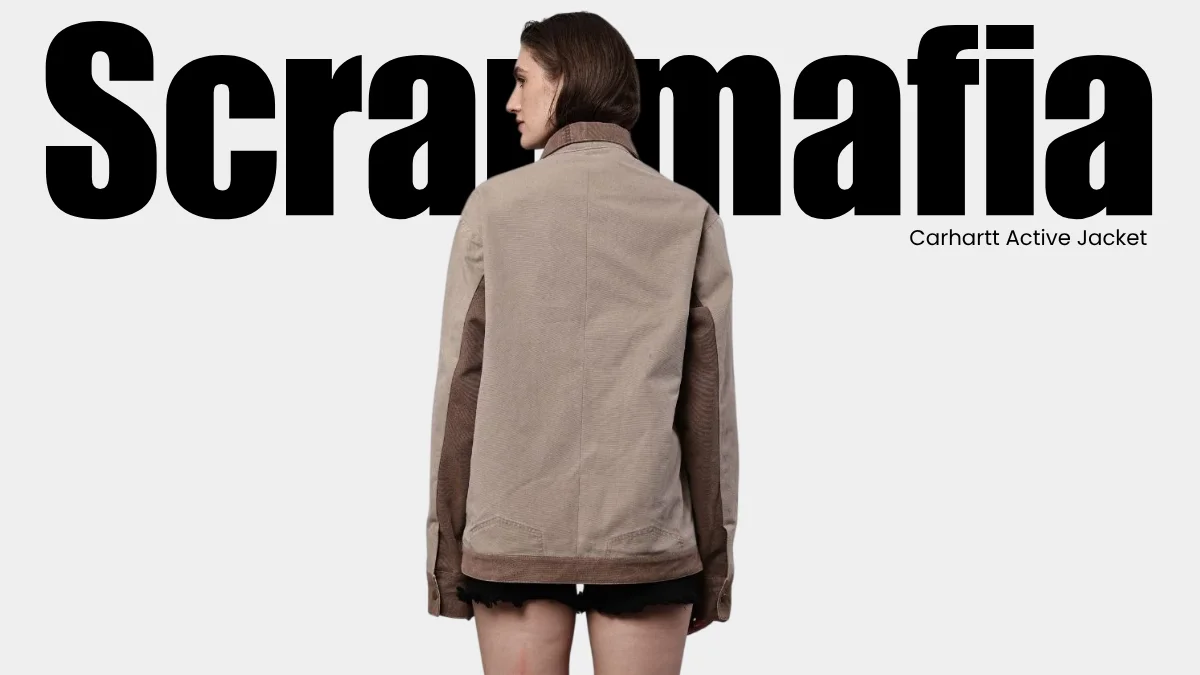
Some garments transcend their original purpose. The Carhartt Active Jacket is one of them. Born in the American industrial heartland as a tool for physical labor, it has quietly become one of the most culturally loaded pieces in contemporary fashion. Today it sits comfortably at the intersection of workwear heritage, streetwear credibility, and slow fashion values — worn by construction crews and creative directors with equal conviction. This guide explores everything worth knowing about the Carhartt Active Jacket: its history, its design logic, how to wear it without looking like a costume, and why it remains one of the most defensible purchases you can make in an era of disposable clothing.
Key Takeaways
- The Carhartt Active Jacket has been in continuous production since the early 20th century, making it one of the longest-running outerwear silhouettes in American fashion history.
- It is constructed from 12-ounce ring-spun cotton duck canvas — a fabric weight that sits between casual and heavy-duty, making it genuinely versatile across seasons.
- The jacket’s adoption by hip-hop culture in the 1990s, particularly in New York and Detroit, gave it a second life as a streetwear staple that continues to influence contemporary designers.
- Carhartt WIP (Work In Progress), the European label, reinterprets the Active Jacket for fashion audiences without abandoning its functional DNA.
- From a sustainability perspective, the jacket’s durability, repairability, and resale value make it a strong alternative to fast-fashion outerwear.
- Common styling mistakes include over-layering, ignoring fit differences between the original and WIP versions, and underutilizing the jacket’s color range beyond the standard brown.
What Is the Carhartt Active Jacket?
The Carhartt Active Jacket — officially known in some product lines as the Duck Active Jacket — is a mid-weight, unlined or flannel-lined chore coat produced by Carhartt, the American workwear brand founded in 1889 in Detroit, Michigan. The jacket is characterized by its straight boxy cut, triple-stitched seams, corduroy-trimmed collar, and multiple utility pockets designed for on-site use.
Unlike a traditional field coat or barn jacket, the Active Jacket uses a drop-shoulder construction that allows unrestricted arm movement across a full range of motion — critical for workers operating in physically demanding environments. This same feature, coincidentally, gives the jacket its relaxed streetwear-appropriate silhouette when worn in casual contexts.
The fabric itself — typically a 12-ounce ring-spun cotton duck canvas — is tightly woven for wind resistance and abrasion durability without the stiffness associated with heavier canvas weights. It is not a waterproof jacket, but it resists light moisture and handles cold weather effectively when layered correctly.
History and Evolution of the Carhartt Active Jacket
Origins in American Industrial Labor (1889–1960s)
Carhartt’s foundational mission, articulated by founder Hamilton Carhartt, was to make clothing that could withstand the demands of railroad workers — a population that required durability above all else. The early Carhartt garments were built with industrial logic: reinforced stress points, minimal ornamentation, and fabrics capable of surviving years of physical abuse.
The Active Jacket emerged from this philosophy as a purpose-built work coat. Its utilitarian features — the chest pocket for pencils and small tools, the wide collar for wind protection, the relaxed fit that accommodates movement — were not design choices in the fashion sense. They were engineering solutions.
Hip-Hop Adoption and Cultural Recontextualization (1990s)
The most significant chapter in the Active Jacket’s cultural evolution happened far from the job site. During the early 1990s, hip-hop communities in New York and Detroit began adopting Carhartt gear — particularly the Active Jacket and the bib overalls — as part of an aesthetic that valued authenticity, durability, and working-class symbolism.
Artists like Redman, Wu-Tang Clan affiliates, and later Eminem were documented in Carhartt pieces at a time when luxury branding dominated rap imagery. The choice was deliberate. Carhartt represented a refusal of ostentation — a grounded, unglamorous credibility that resonated with communities that valued substance over signaling.
This adoption gave the Active Jacket a second cultural identity entirely separate from its workwear origins, and it permanently altered the jacket’s market position.
Carhartt WIP and the European Streetwear Translation (1994–Present)
In 1994, Edwin Faeh licensed the Carhartt brand to produce a European streetwear line called Carhartt Work In Progress (WIP). The label reinterprets Carhartt’s original silhouettes — including the Active Jacket — using lighter fabrications, more refined finishing, and colorways calibrated for fashion audiences.
The WIP Active Jacket maintains the boxy proportion and utility pocket structure of the original but is typically cut slightly slimmer and produced in seasonal colorways that extend well beyond the original’s working palette. This version has become a fixture in European streetwear culture, stocked alongside Aime Leon Dore, Stüssy, and similar brands.
The coexistence of the original Carhartt Active Jacket and the WIP version has created a layered consumer market: purists who prefer the heavier American original, streetwear buyers who reach for WIP, and vintage hunters who seek out deadstock and pre-worn examples through resale platforms.
Why the Carhartt Active Jacket Matters Today
Workwear Heritage as Fashion Currency
Fashion in 2025 continues to draw heavily from functional and heritage aesthetics. The success of labels like Engineered Garments, Visvim, and Filson — all of which operate in the heritage-utility space — reflects an audience that values provenance and craft over novelty. The Carhartt Active Jacket sits squarely within this appetite, offering genuine historical depth rather than a fabricated heritage narrative.
Versatility Across Subcultures
Few outerwear pieces move fluidly across subcultures the way the Active Jacket does. It appears in skateboarding, hip-hop, workwear collecting, outdoors-influenced fashion, and minimalist European streetwear without looking out of place in any of them. This cultural portability is rare and commercially underrated.
The Resale and Vintage Market
Vintage Carhartt Active Jackets — particularly faded, distressed, or deadstock examples from the 1980s and 1990s — command strong prices on platforms like Grailed, Depop, and eBay. A well-worn example from this era, especially in a non-standard colorway or with branded patches, can sell for two to three times its original retail price. This resale trajectory distinguishes it from most outerwear options at its price point.
Benefits and Features of the Carhartt Active Jacket
Construction and Materials
- Fabric: 12-ounce ring-spun cotton duck canvas, known for progressive softening with use and washing
- Stitching: Triple-stitched main seams for structural integrity under repeated stress
- Collar: Corduroy-trimmed for added comfort against the neck during extended wear
- Lining options: Available unlined (for mild weather and layering) or flannel-lined (for cold-weather insulation)
- Hardware: Durable brass-finish snaps and button closures designed for repeated daily use
Functional Features
- Chest pocket with snap closure
- Two large lower pockets — proportioned for gloves, tools, or oversized modern phones
- Interior pockets on select versions
- Drop-shoulder construction for unrestricted arm movement
- Extended back length for coverage during bent-over work positions
Longevity
A well-maintained Carhartt Active Jacket will outlast virtually any similarly priced fast-fashion outerwear alternative. The cotton duck canvas develops a patina with age, and the structural reinforcement at stress points prevents the seam failure common in lighter jackets. Many owners report wearing the same jacket for a decade or more.
How to Style the Carhartt Active Jacket
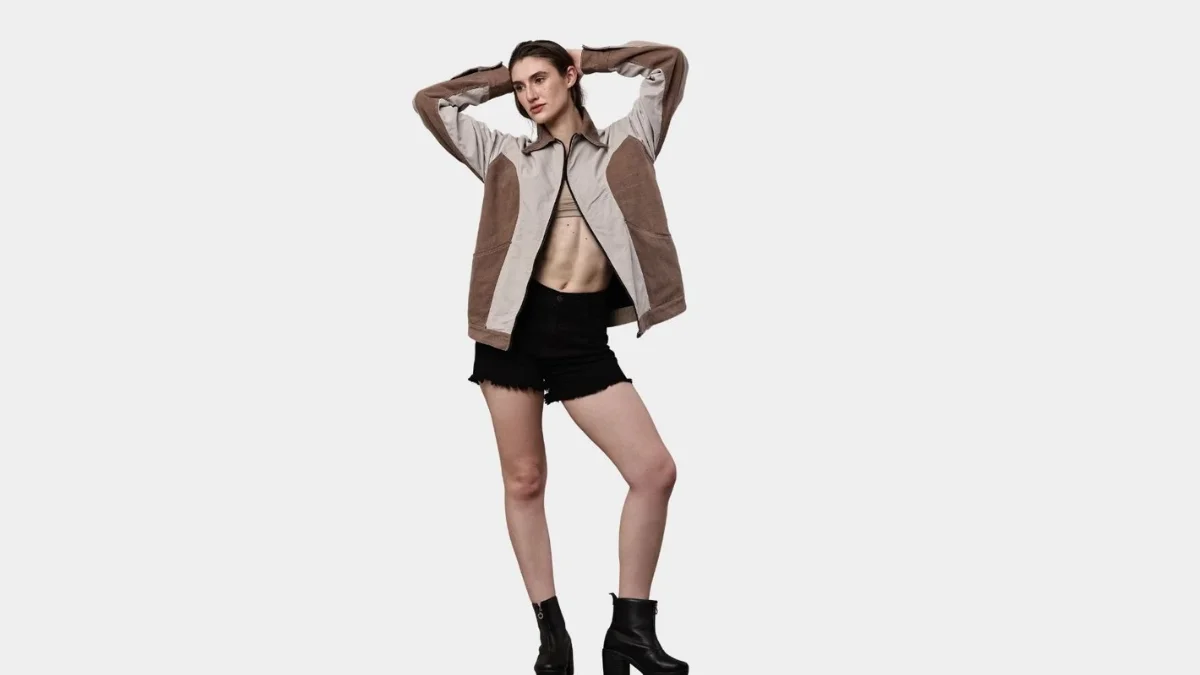
The Classic Workwear Stack
Pair the original brown or black Active Jacket over heavyweight denim jeans, a thick crewneck sweatshirt, and work boots — White’s, Red Wing, or Thorogood. This build is historically honest and requires no trend awareness to execute correctly.
The Streetwear Approach
The WIP version in a muted seasonal colorway (olive, stone, or navy) works exceptionally well over a graphic tee, cargo trousers, and chunky sneakers. Keep accessories minimal — a fitted cap or beanie is sufficient. Avoid oversized hoodies underneath the WIP version, which runs slimmer; a midlayer of medium weight is more proportionally appropriate.
The Smart-Casual Edit
This is the most underutilized styling register for the Active Jacket. Layer it over a turtleneck or mock-neck knit, straight tailored trousers, and leather loafers or Chelsea boots. The jacket’s boxy structure provides enough structure to coexist with more refined pieces, and the contrast between utilitarian outerwear and polished underlayers is a strong contemporary look.
Seasonal Layering
For winter, the flannel-lined Active Jacket functions as a mid-layer under a heavier wool overcoat. In spring and autumn, the unlined version is genuinely functional outerwear on its own. The key layering principle is proportional — avoid bulky underlayers that push the jacket’s shoulders out of their intended position.
Common Mistakes to Avoid
Buying the wrong size for your intended use: The original Carhartt Active Jacket is cut for workers wearing thick underlayers. If you are buying it primarily for fashion use, size down by one from your usual. The WIP version runs closer to standard European sizing.
Ignoring the color range: The iconic brown (Hamilton Brown or Carhartt Brown in original nomenclature) is the most recognizable, but the Active Jacket is available in black, navy, olive, and seasonal WIP exclusives. Non-brown versions offer more styling versatility in contemporary wardrobes.
Over-layering in warm weather: The duck canvas does not breathe freely. Wearing the Active Jacket in temperatures above 18°C without ventilation is uncomfortable and defeats its functional purpose.
Washing incorrectly: Machine wash in cold water, tumble dry low, or hang dry. High heat will shrink the canvas and damage the corduroy collar. The jacket will stiffen after washing and soften again with wear — this is normal.
Treating it as too precious to wear: Carhartt’s entire value proposition is wear resistance. The jacket improves with use. Hesitating to wear it in real conditions denies it the patina that makes older examples so desirable.
Expert Tips
- Buy vintage for character, buy new for reliability. A deadstock or gently worn 1990s Active Jacket will have softer canvas, faded coloring, and a lived-in authenticity that new production cannot replicate. But new production offers consistent sizing and warranty coverage.
- Use Carhartt’s own repair service or seek a workwear tailor for damage. The duck canvas is patchable and the seams are re-stitchable. A repaired Active Jacket is worth more in culture than a discarded one.
- Track WIP seasonal drops for limited colorways. Carhartt WIP releases seasonal Active Jacket colorways that often sell out and appreciate in resale value, particularly collaborative editions.
- Layer a lightweight technical fleece underneath for maximum temperature range. A Patagonia R1 or similar technical midlayer adds significant warmth under the Active Jacket without compromising its exterior proportion.
- Consider fit alteration at purchase. A tailor can taper the body and shorten the sleeve length of the original for a more precise silhouette. This investment is worth it given the jacket’s intended decade-long lifespan.
Sustainable Fashion Perspective
The Carhartt Active Jacket is not marketed as a sustainable product in the contemporary sense — it carries no organic certification, recycled content label, or B Corp status. But its sustainability credentials are embedded in its design logic in ways that many explicitly “sustainable” brands fail to achieve.
Durability as the primary sustainability metric: The most environmentally damaging aspect of fashion is volume — the sheer quantity of garments produced, consumed briefly, and discarded. A jacket worn consistently for ten or more years occupies a fundamentally different environmental position than three or four fast-fashion jackets purchased over the same period, regardless of the individual garment’s material composition.
Repairability: The Active Jacket is built to be repaired. Its construction — heavy canvas, accessible seams, standardized hardware — means that a damaged jacket can be returned to function rather than discarded. This repairability is increasingly rare in contemporary outerwear.
Strong resale value: The robust secondhand market for the Active Jacket means that end-of-life does not mean end-of-use. A jacket sold on Depop or traded locally continues its functional life without returning to production waste.
Natural fiber base: The cotton duck canvas, while not organic, is a natural fiber that biodegrades at end of life — a contrast to the synthetic-heavy materials common in comparable price-point outerwear.
For a fashion shopper prioritizing responsible consumption, the Carhartt Active Jacket represents a compelling investment in longevity over novelty.
Frequently Asked Questions
Q1: What is the difference between the Carhartt Active Jacket and the Carhartt WIP Active Jacket?
The original Carhartt Active Jacket is produced in the United States for the workwear and general consumer market. It uses heavier duck canvas, runs larger, and is priced for working professionals. The Carhartt WIP Active Jacket is produced under a separate European license, uses slightly lighter fabrications, runs closer to fashion sizing, and is distributed through streetwear retailers at a higher price point with seasonal colorways.
Q2: Is the Carhartt Active Jacket waterproof?
No. The duck canvas is tightly woven and resists light moisture and wind, but it is not a waterproof or water-repellent treated garment. In heavy rain, it will absorb water. It is best suited for dry cold, mild wet conditions, or as a layering piece.
Q3: How should I size the Carhartt Active Jacket?
For the original Carhartt Active Jacket, size down by one if you plan to wear it as a fashion piece over standard-weight clothing. It is designed to accommodate thick workwear underlayers. The WIP version follows closer to standard fashion sizing.
Q4: How do I care for the Carhartt Active Jacket to extend its life?
Machine wash cold, tumble dry low or hang dry. Avoid high heat, which causes canvas shrinkage and collar damage. The jacket stiffens after washing and softens with wear. Store it hung, not folded, to preserve the canvas structure.
Q5: Why is the Carhartt Active Jacket popular in streetwear and hip-hop culture?
Its adoption in 1990s hip-hop — particularly in Detroit and New York — was rooted in its working-class authenticity, durability, and resistance to luxury signaling. The jacket carried social meaning beyond its function: wearing Carhartt communicated a grounded identity that many artists and communities found more honest than status-driven luxury branding.
Q6: What is the best colorway of the Carhartt Active Jacket?
The Hamilton Brown (also called Carhartt Brown) is the most historically significant and recognizable colorway. For versatility in contemporary wardrobes, black and navy offer broader styling range. The WIP seasonal colorways — often in muted earth tones or slate blues — are worth tracking for limited-edition appeal.
Q7: Is the Carhartt Active Jacket worth buying for a sustainable wardrobe?
Yes, from a durability and longevity standpoint. It is not certified sustainable in the organic or recycled materials sense, but its ten-plus year functional lifespan, repairability, and strong secondhand market make it one of the more defensible outerwear purchases available at its price point.
Q8: Can the Carhartt Active Jacket be tailored?
Yes. The duck canvas responds well to tailoring. The most common alterations are body tapering and sleeve shortening. Given the jacket’s intended long lifespan, a one-time tailoring investment is cost-effective and significantly improves fit for fashion use.
Scrapmafia Articles You May Like:
Justin Bieber Carhartt Jacket UK
Vintage Carhartt Jacket in Price UK
Product – Scrapmafia
Conclusion
The Carhartt Active Jacket does not ask for cultural legitimacy — it earned it across more than a century of consistent production, cross-cultural adoption, and quiet refusal to change what works. For fashion enthusiasts it offers heritage depth without costuming. For streetwear buyers it provides a proven silhouette with genuine provenance. For sustainability-conscious shoppers it represents one of the most honest answers to the question of how to buy less and wear more.
In an industry defined by novelty and rapid obsolescence, a jacket that improves with age, survives honest use, and holds its value in resale markets is worth taking seriously. The Carhartt Active Jacket has outlasted dozens of trends that attempted to surpass it. It will likely outlast several more.